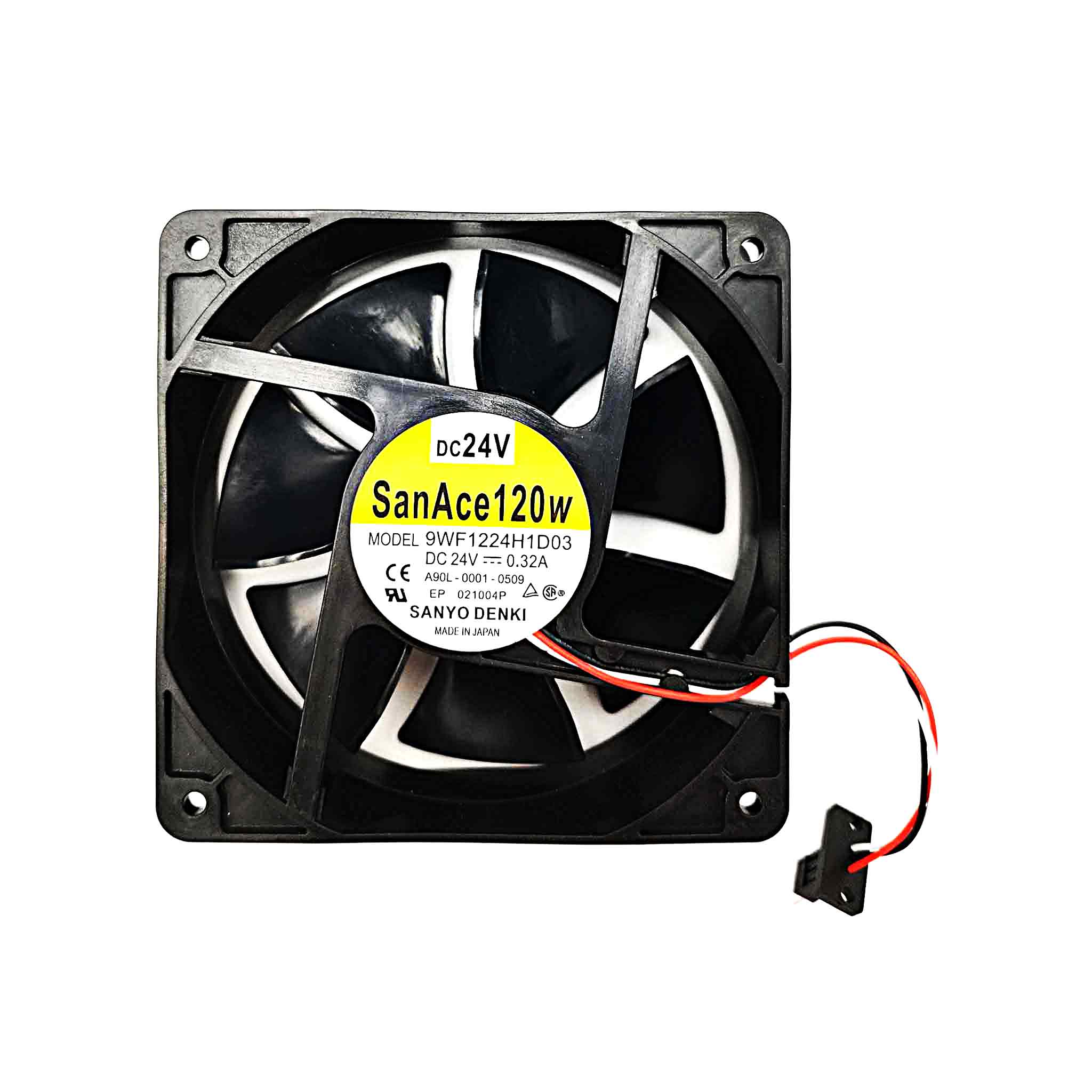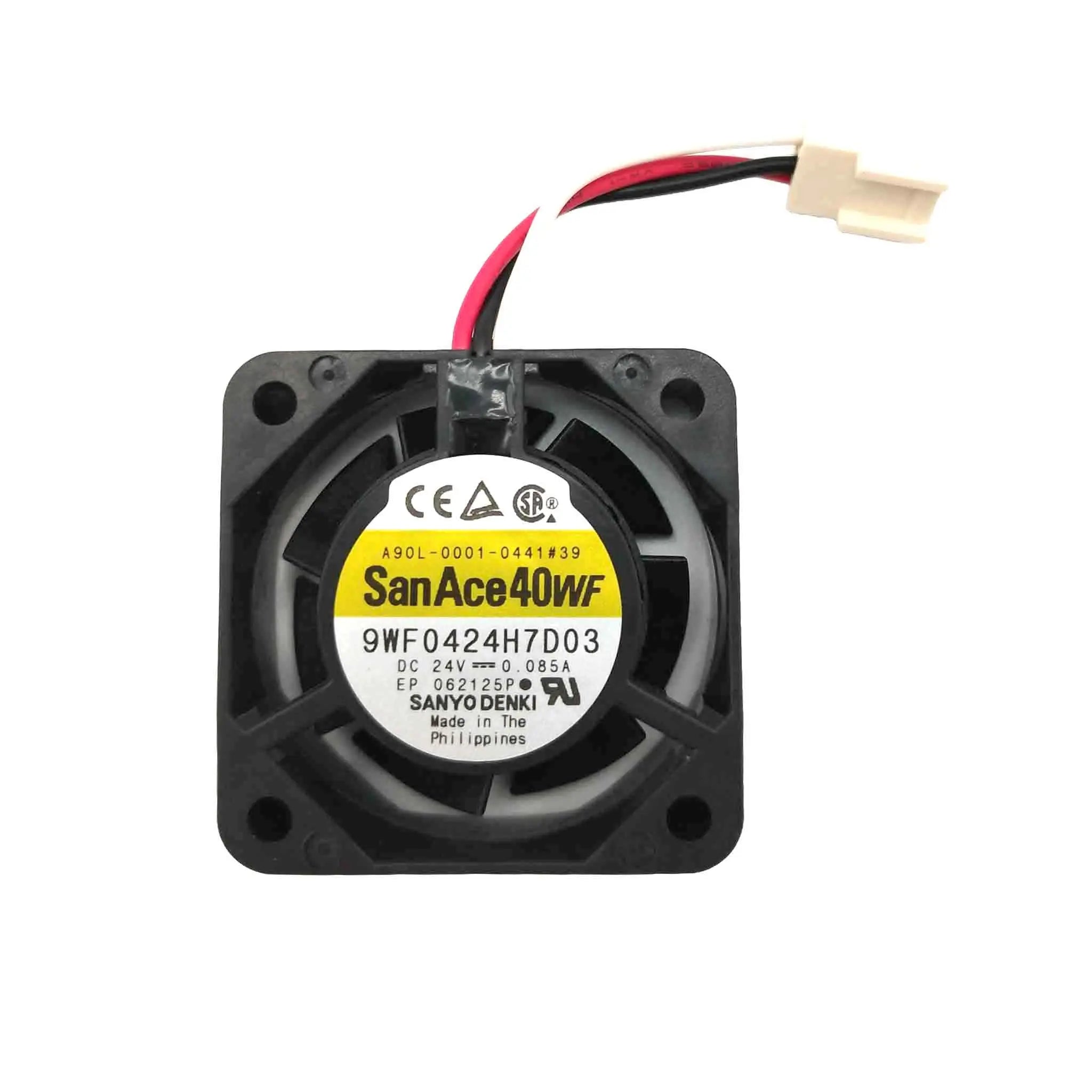
NMB 3610KL-05W-B50 24V Fan 92 × 92 × 25 mm
Tax excluded. Shipping calculated at checkout
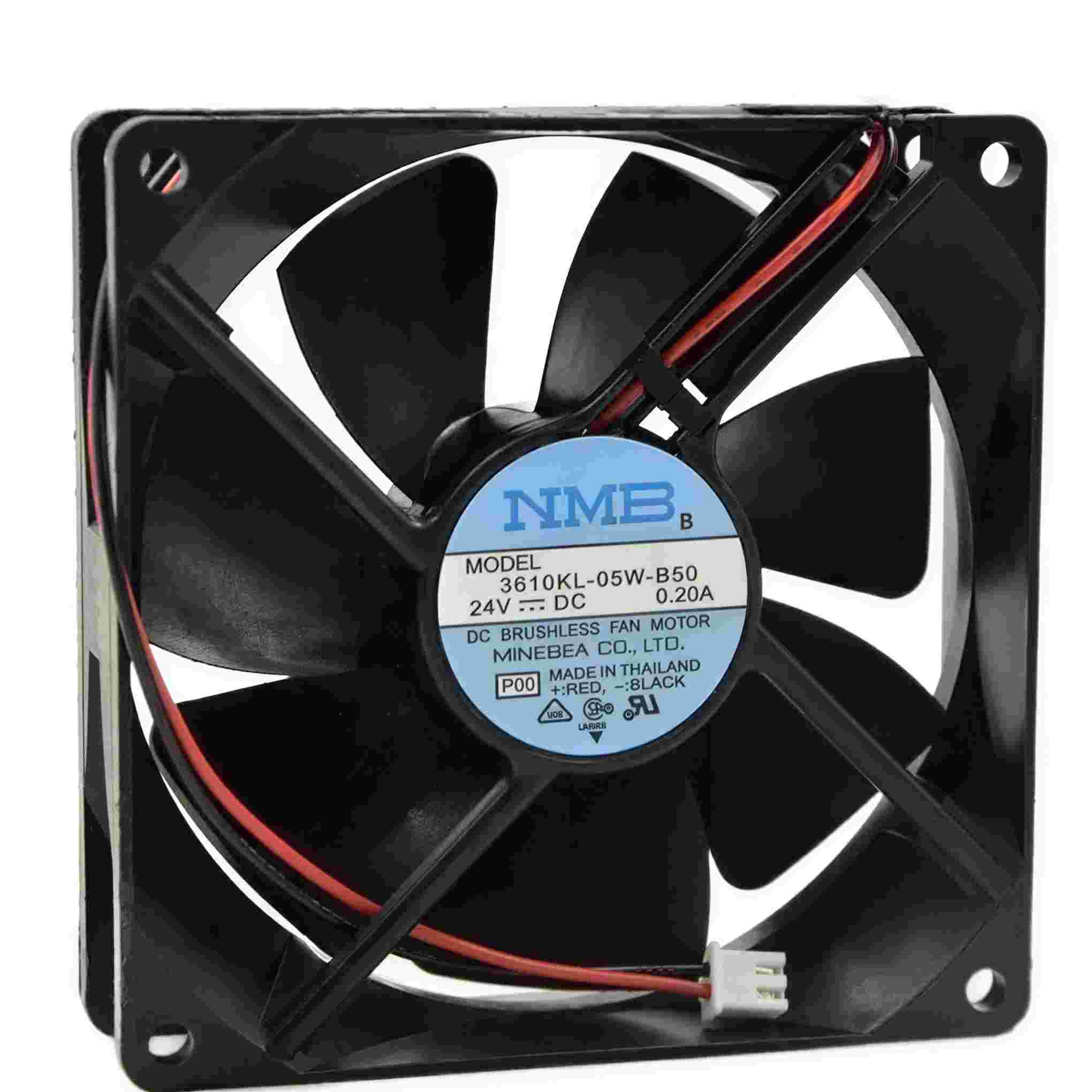
The NMB 3610KL-05W-B50 is a compact 92 × 92 × 25 mm, 24V DC axial fan with a current consumption of 0.20 A. It is suitable for reliable cooling of CNC controls, electronic assemblies, machines, and industrial equipment. The ball bearing fan features a brushless DC motor and a 2-wire design. With its compact design and a speed of approximately 3,200 rpm, it is particularly suitable for industrial applications where reliable air circulation and heat dissipation are required.
Advantages of the 3610KL-05W-B50 fan
Reliable Cooling for CNC Systems
Industrial fans
NMB
92 x 92 x 25 mm
3610KL-05W-B50
24V DC
20.4~27.6V DC
0.20A
-10°C to +70°C
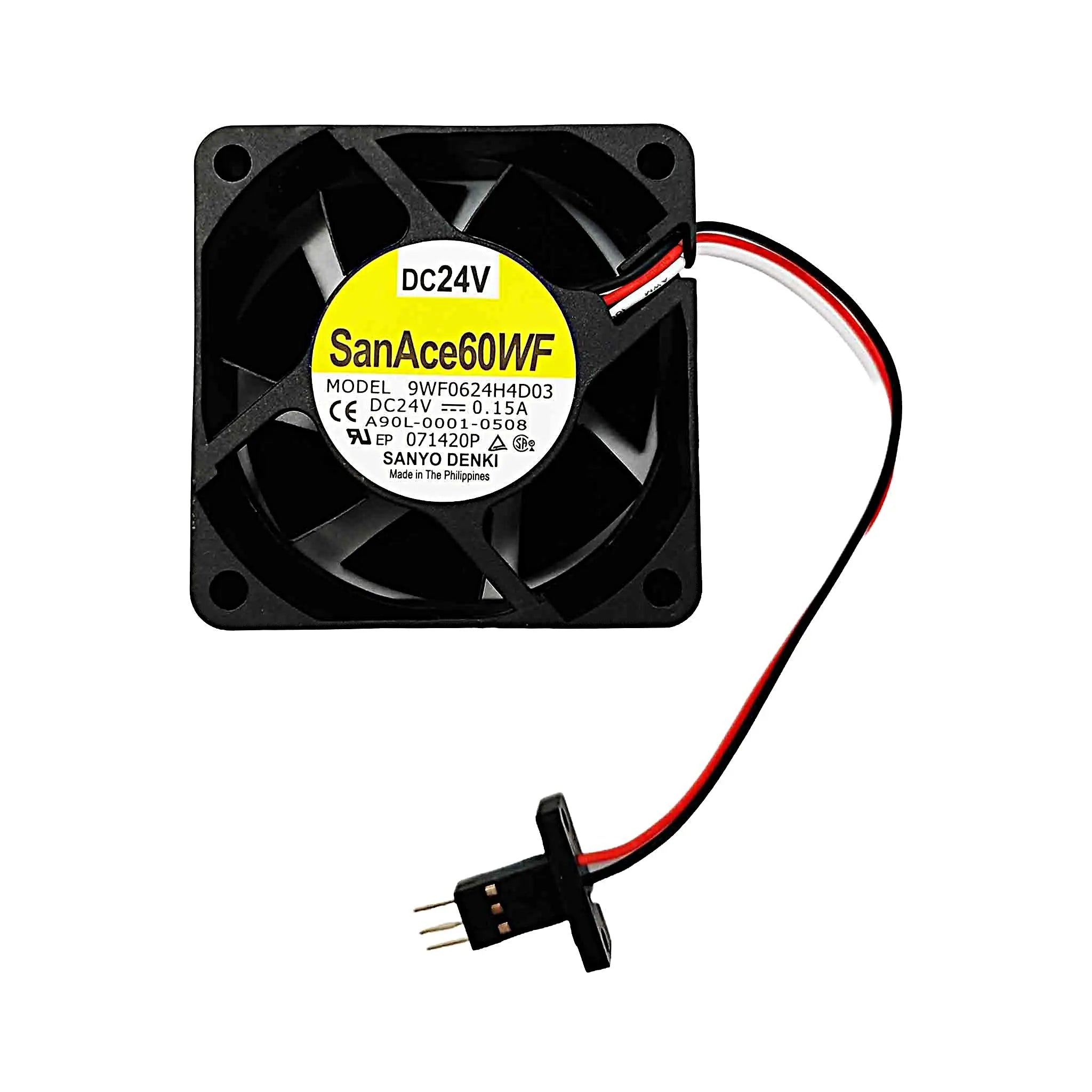
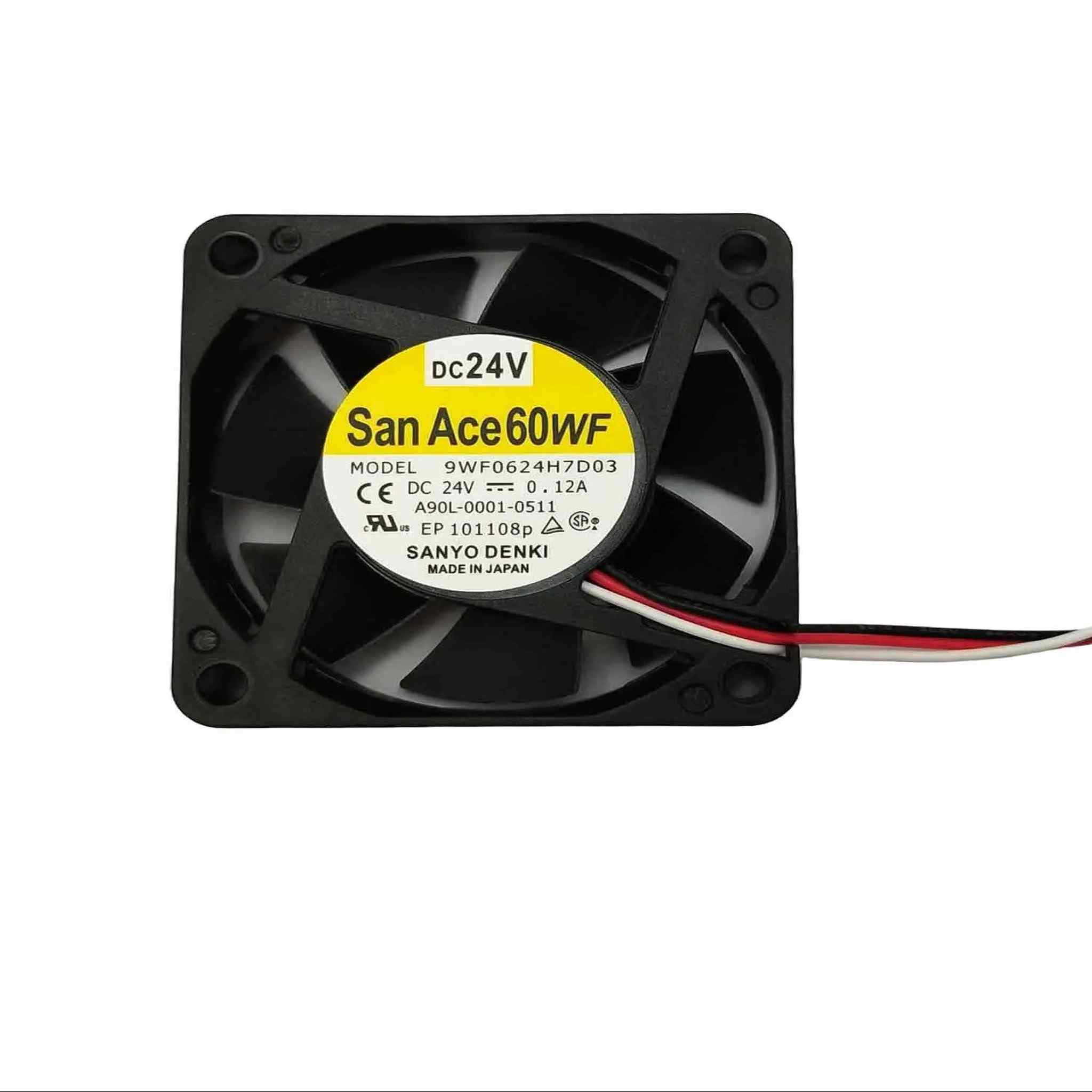
Fanuc fan SanAce from Sanyo Denki

What is a SanAce fan?
SanAce is the product brand of Sanyo Denki, a leading Japanese manufacturer of industrial fans. The fans are known for their reliability, durability, and high performance and are used worldwide in CNC machines, servers, power supplies, and automation solutions.
What advantages do SanAce fans offer?
- High air flow rate with a compact design
- Durable ball bearing technology
- Resistant to heat, dust, and vibrations
- Wide voltage range (e.g. 12V, 24V, 48V)
- Optionally available with PWM, tachometer, and alarm function
What sizes and models are available?
SanAce fans are available in various sizes – e.g.:
40 × 40 mm
60 × 60 mm
80 × 80 mm
92 × 92 mm
120 × 120 mm
Typical model series are SanAce 40, 60, 80, 92, 120, 172, 200, etc.
For which applications are they suitable?
SanAce fans can be found in, among other applications:
- CNC controls (e.g., FANUC, Siemens)
- Control cabinet cooling - Power supplies & inverters
- Medical technology
- IT systems (servers, storage)
Can SanAce fans be replaced?
Yes – SanAce fans can be replaced 1:1 with original or compatible models. Important: Voltage, dimensions, pin assignment, and airflow must match.
How long do SanAce fans last?
The average lifespan is 40,000–60,000 hours at 60°C, depending on the model. Some high-performance series even reach over 100,000 hours under optimal conditions.
Other Fanuc compatible fans