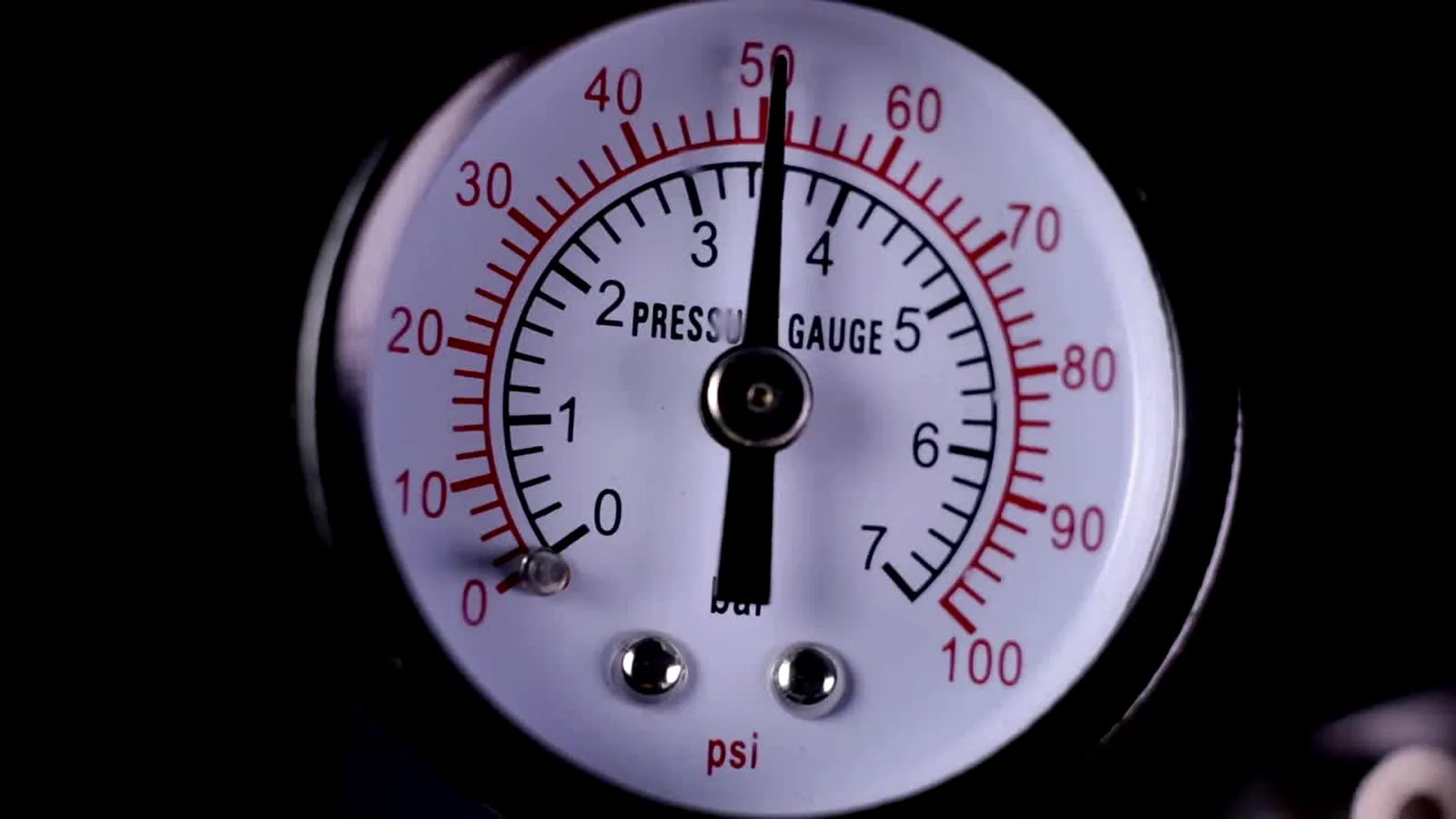
Pneumatic components
Pneumatic components are used in industrial plants and machines for control, motion, and automation. They use compressed air to actuate cylinders, valves, and
Drive components and are indispensable in modern manufacturing processes.
In this category you will find selected pneumatic components for professional use in industry, mechanical engineering and automation technology.
Pneumatics for reliable control
In industrial practice, pneumatics are used wherever simple, fast, and repeatable movements are required. Typical applications can be found in production plants, machine tools, and assembly and handling systems.
High-quality pneumatic components make a significant contribution to the operational reliability of machines. A suitable selection of valves, cylinders, fittings, and accessories supports stable system operation, reduces malfunctions, and helps to avoid unplanned downtime.
7 products
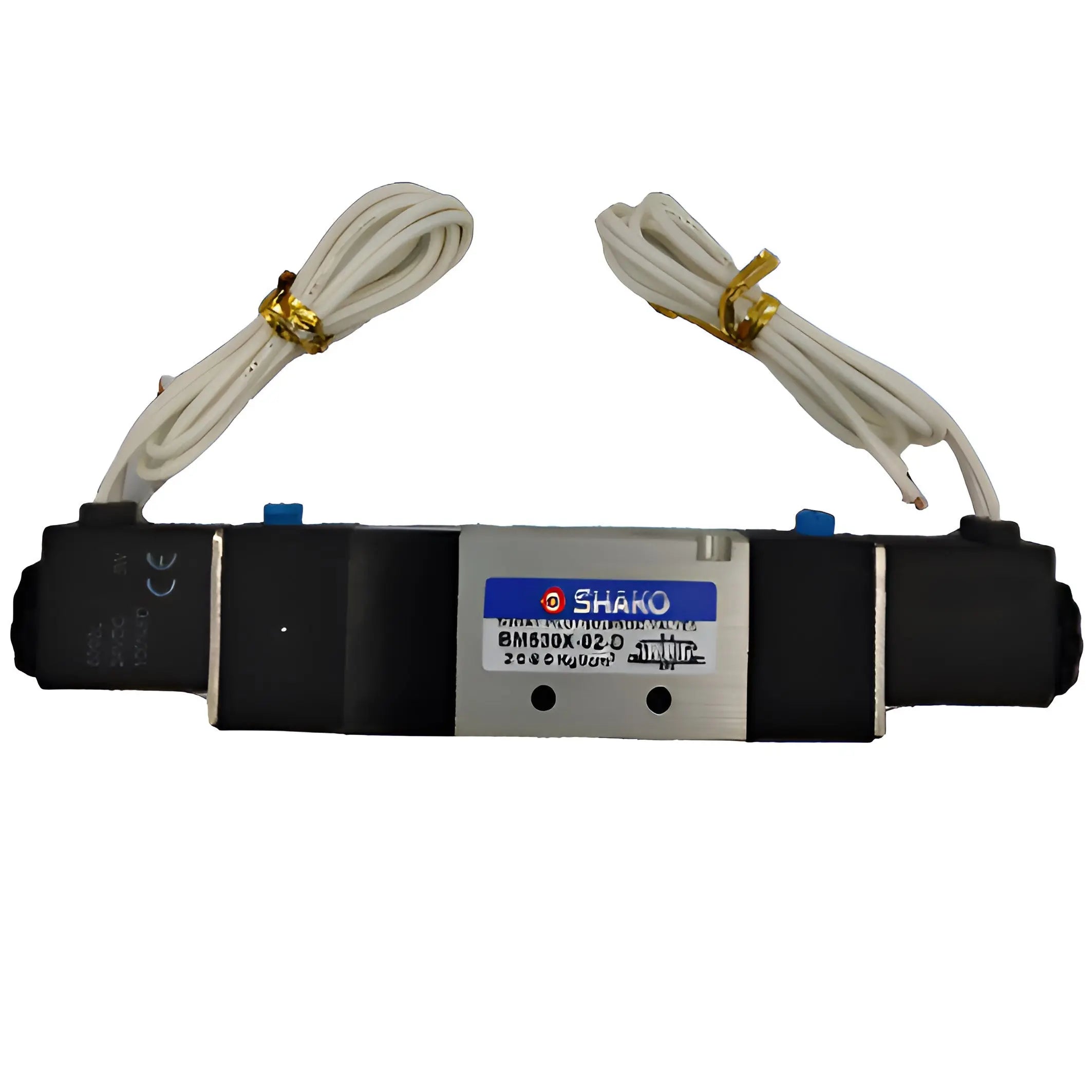
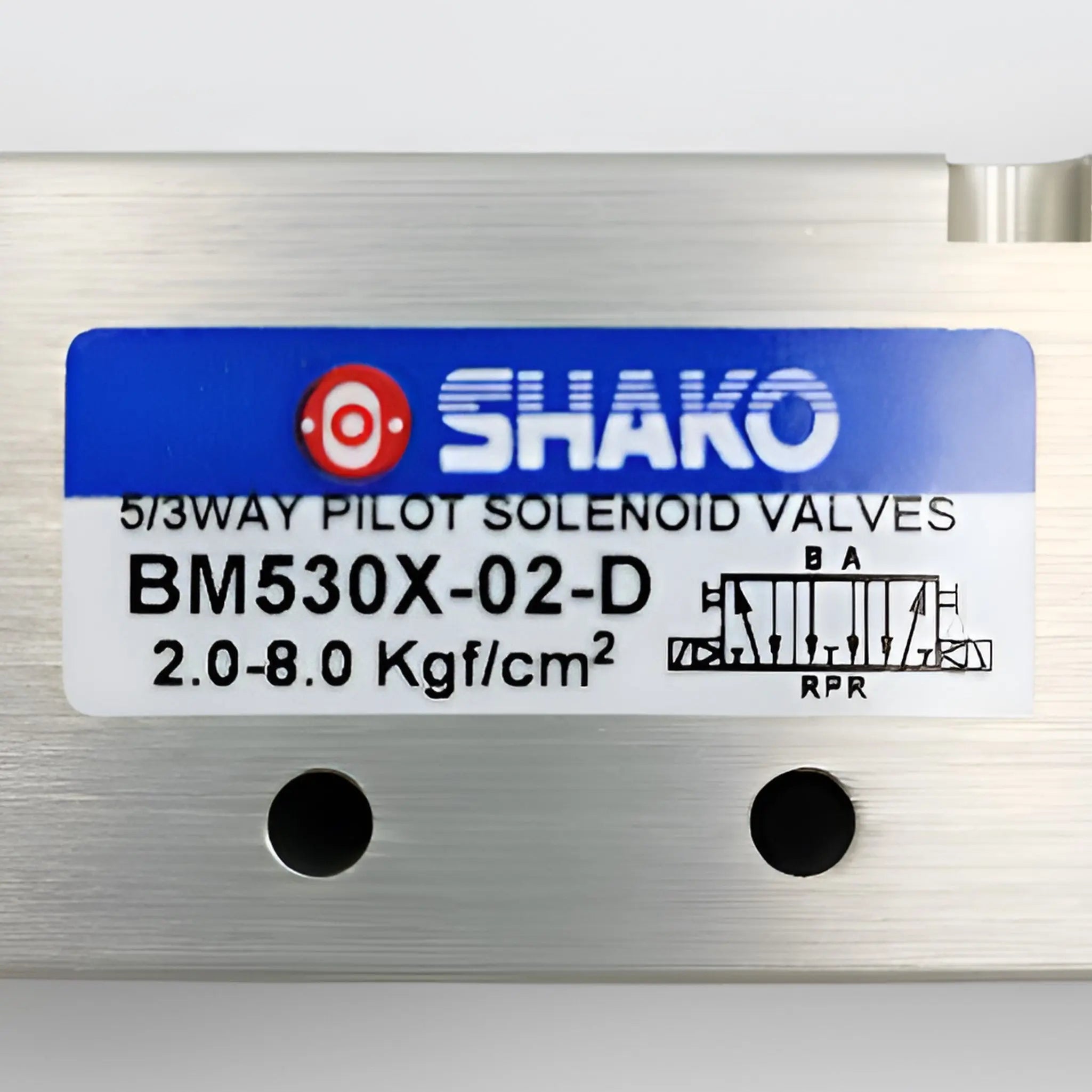
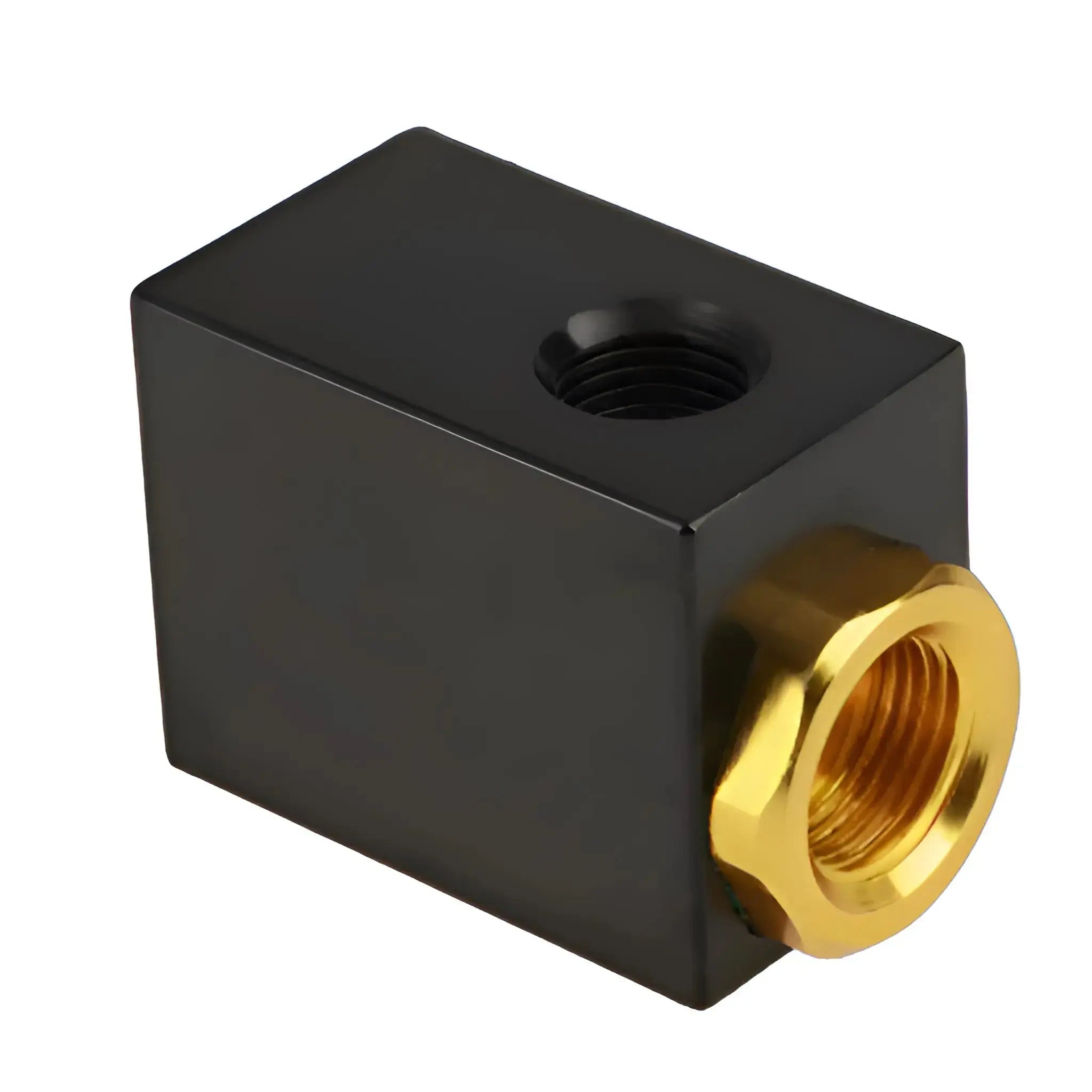
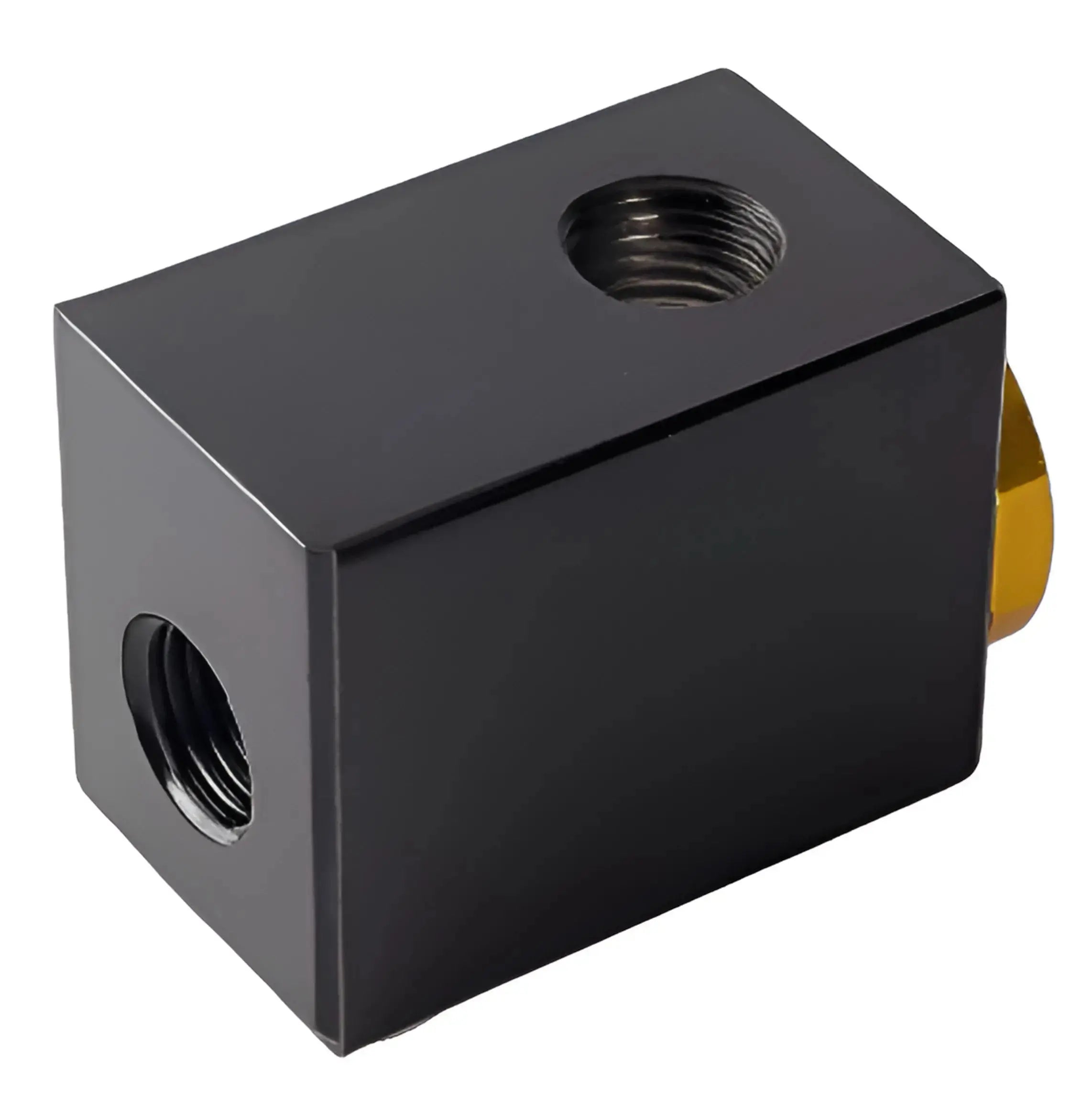
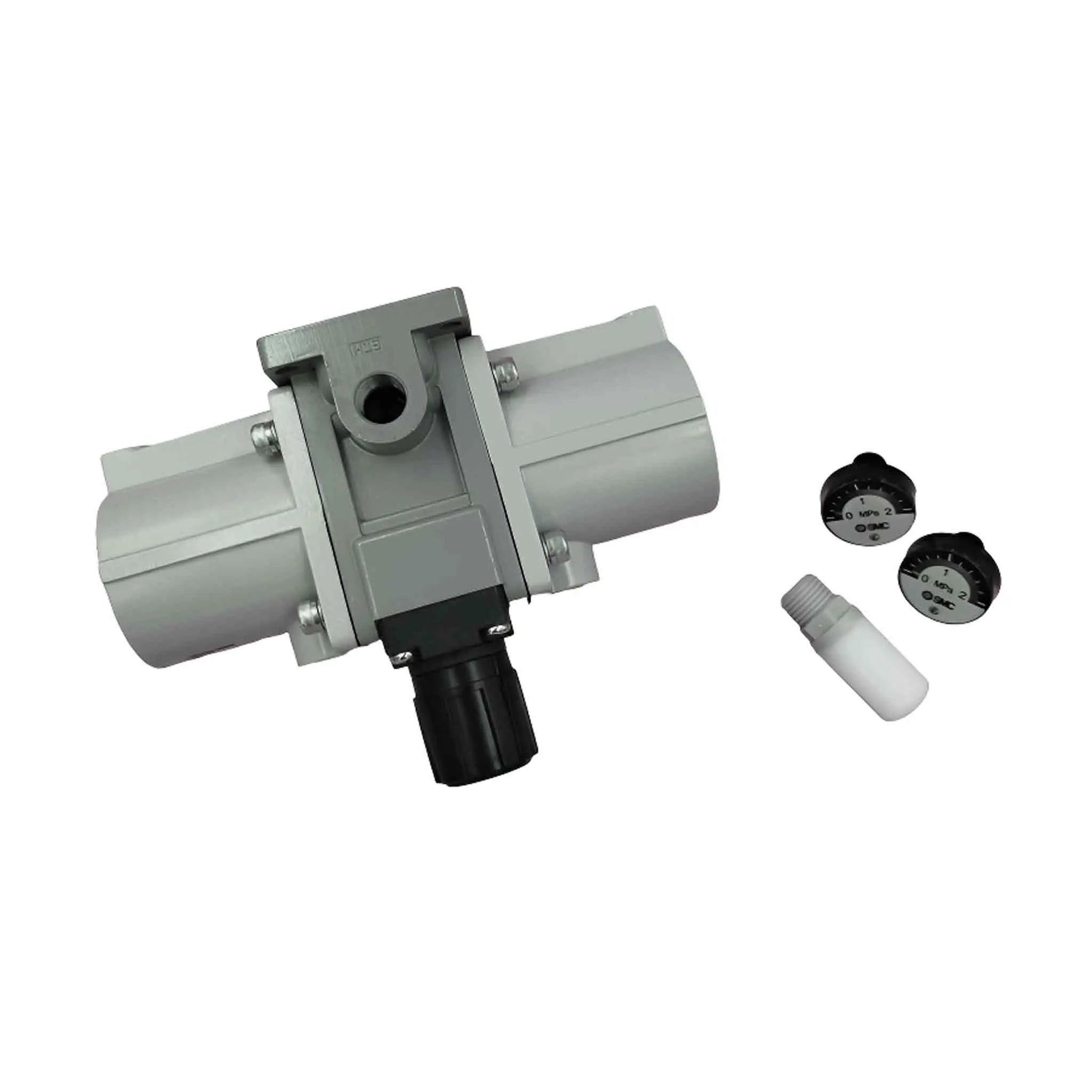
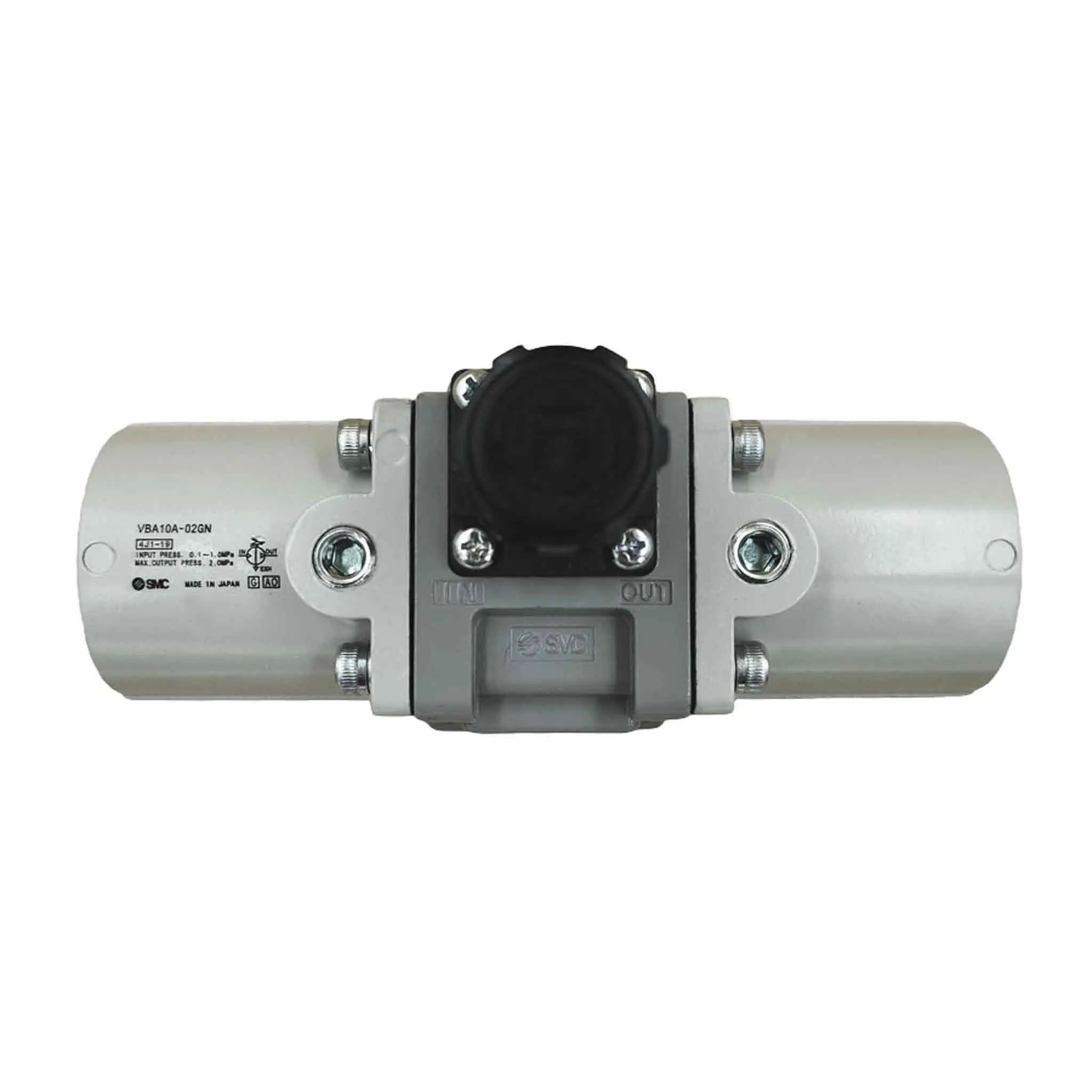
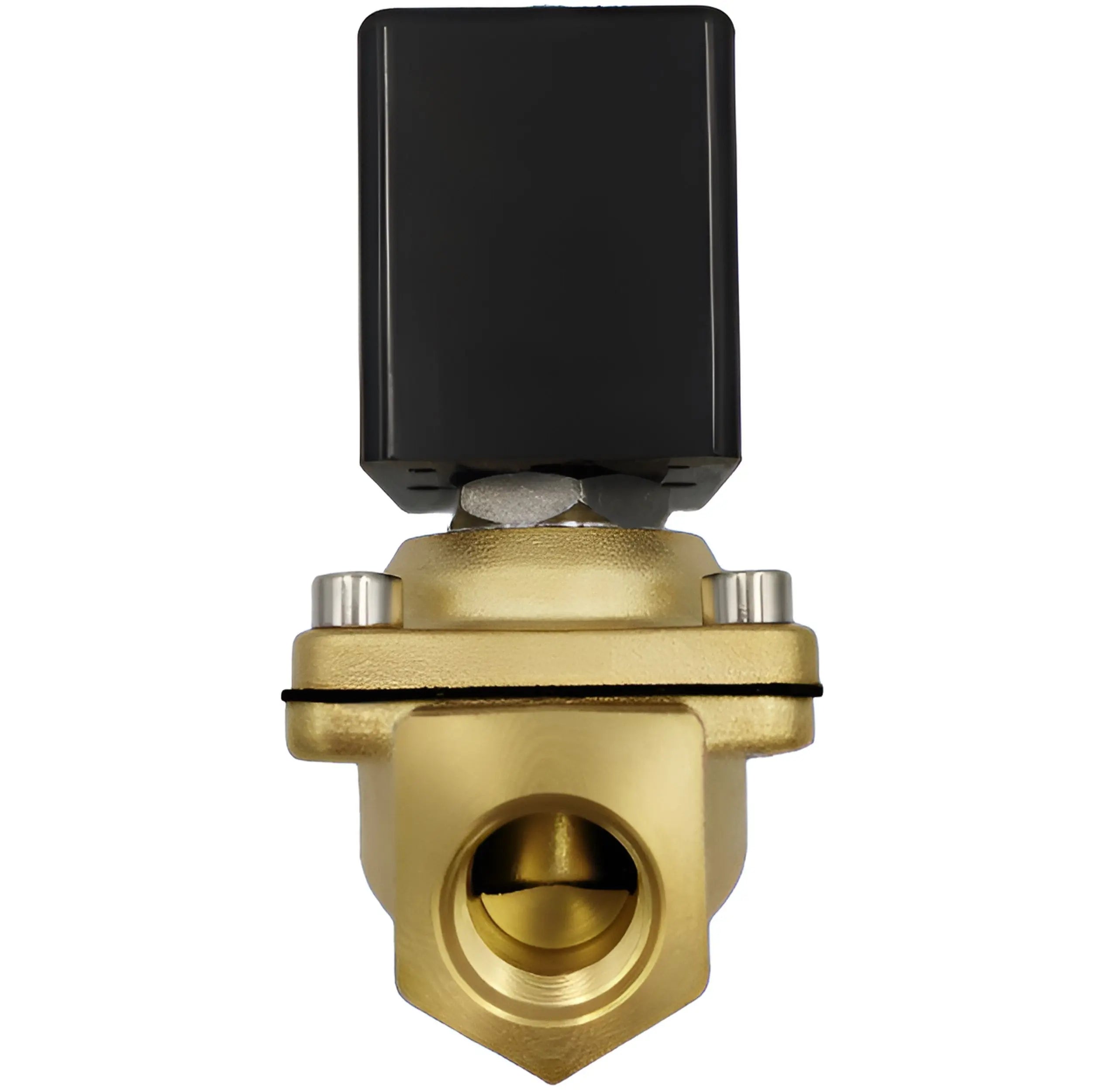
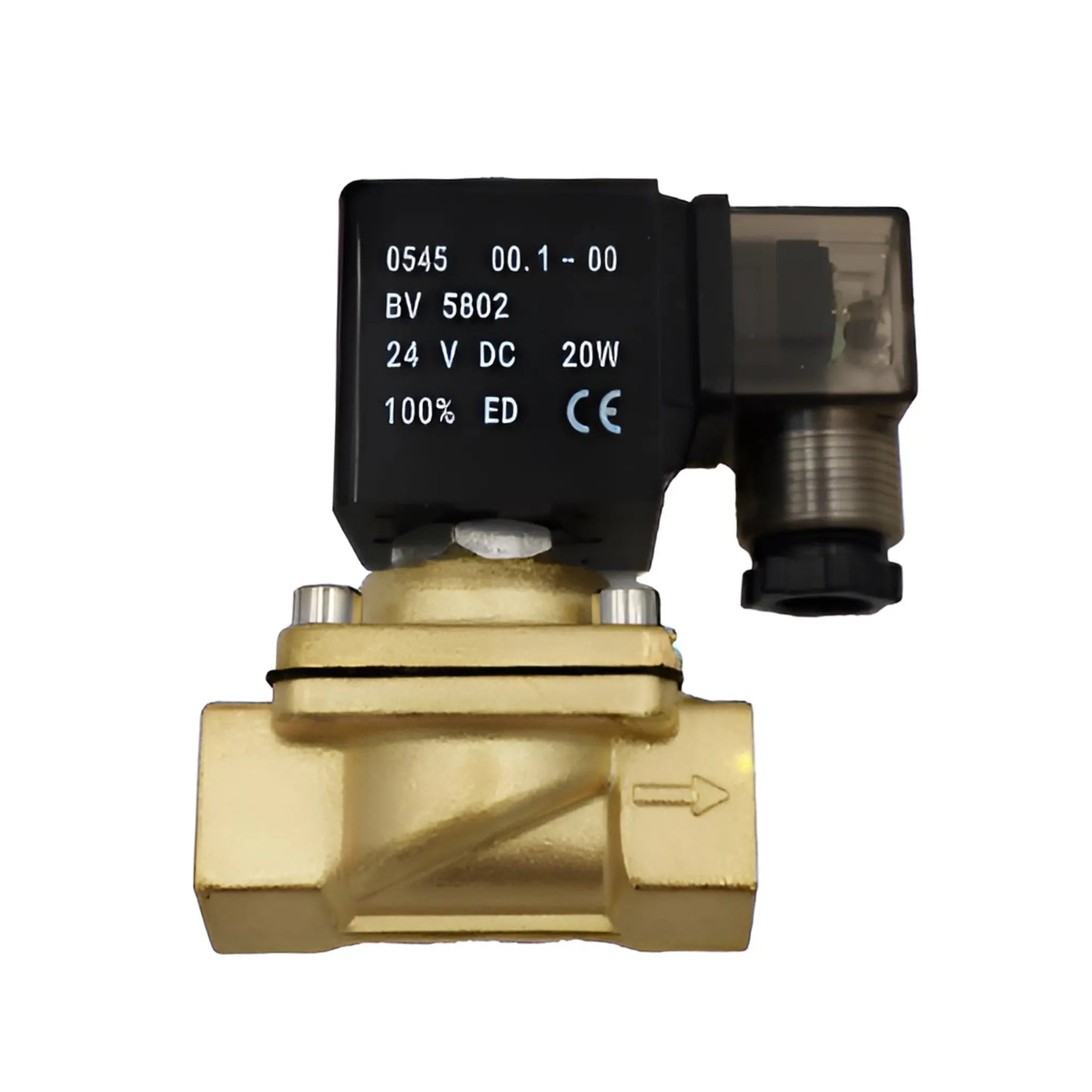

Questions about pneumatics
Answers to frequently asked technical questions about pneumatic components,
their design, function and use in industrial machines
and automation systems. The information helps with the
Selection of suitable components as well as maintenance and repair.
A pneumatic system typically consists of compressed air
preparation, valves, cylinders, fittings, hoses and
Control elements. These components work together to
movements, gripping operations or switching functions reliably with
to run compressed air.
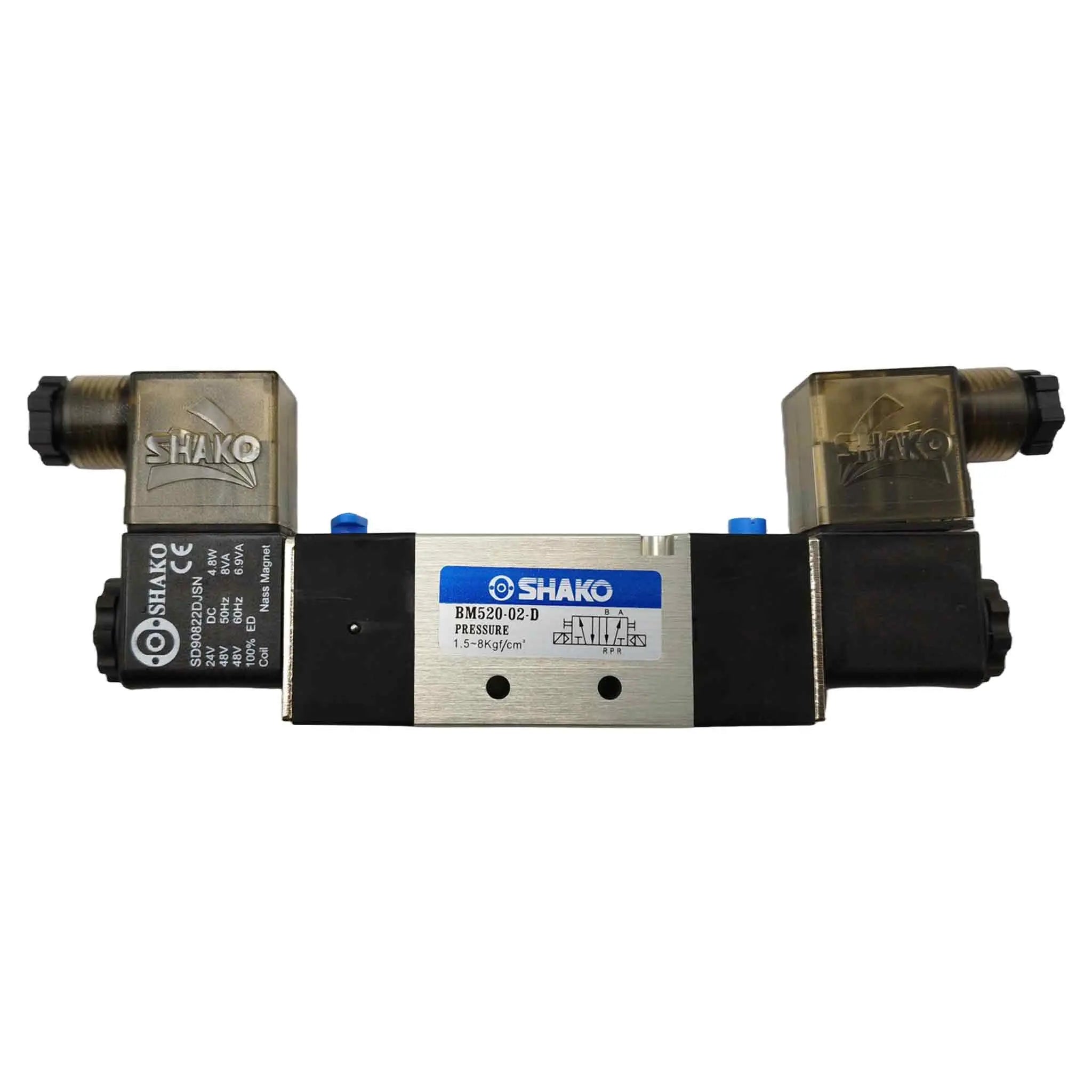
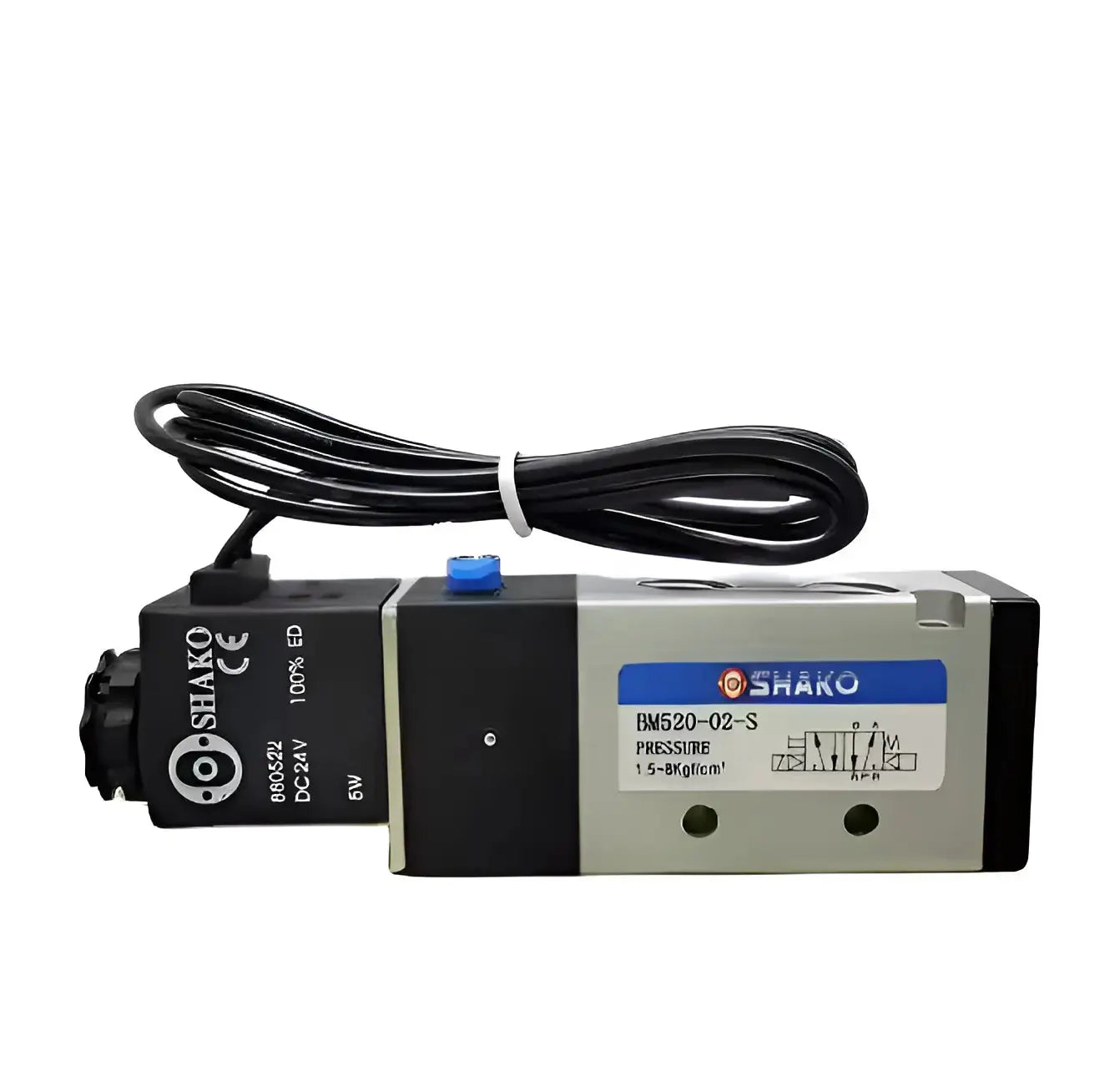
Pneumatic valves control the airflow within a system.
They regulate the direction, flow, and pressure of the compressed air and determine
to determine the direction, speed, and force of cylinders
or drives.
When selecting a pneumatic cylinder, the following factors must be considered, among others:
Piston diameter, stroke, operating pressure, mounting type and
Environmental conditions must be taken into account. These factors influence
Power, speed, and lifespan of the cylinder.
Proper compressed air treatment is crucial for the
Operational reliability of pneumatic systems. Filters, regulators and
Oilers remove impurities and stabilize the working pressure.
and help to reduce wear and tear and malfunctions.
Common problems include leaks and dirty valves.
Pressure drops or worn seals. These can lead to...
loss of strength, uneven movements, or increased
Consumption of compressed air.
Maintenance or replacement is advisable if visible
Wear and tear, declining function, or increased energy consumption.
Regular inspections help to avoid unplanned downtime.
and to extend the lifespan of the components.
Pneumatics is primarily used where rapid movements,
simple control and high reliability are required, to
Examples in production plants, machine tools, assembly-
and handling systems.